Things to Do in Washington DC: What Needs Booking and What Is Free
By America Experiences Editors · Published August 24, 2026 · 10 min read
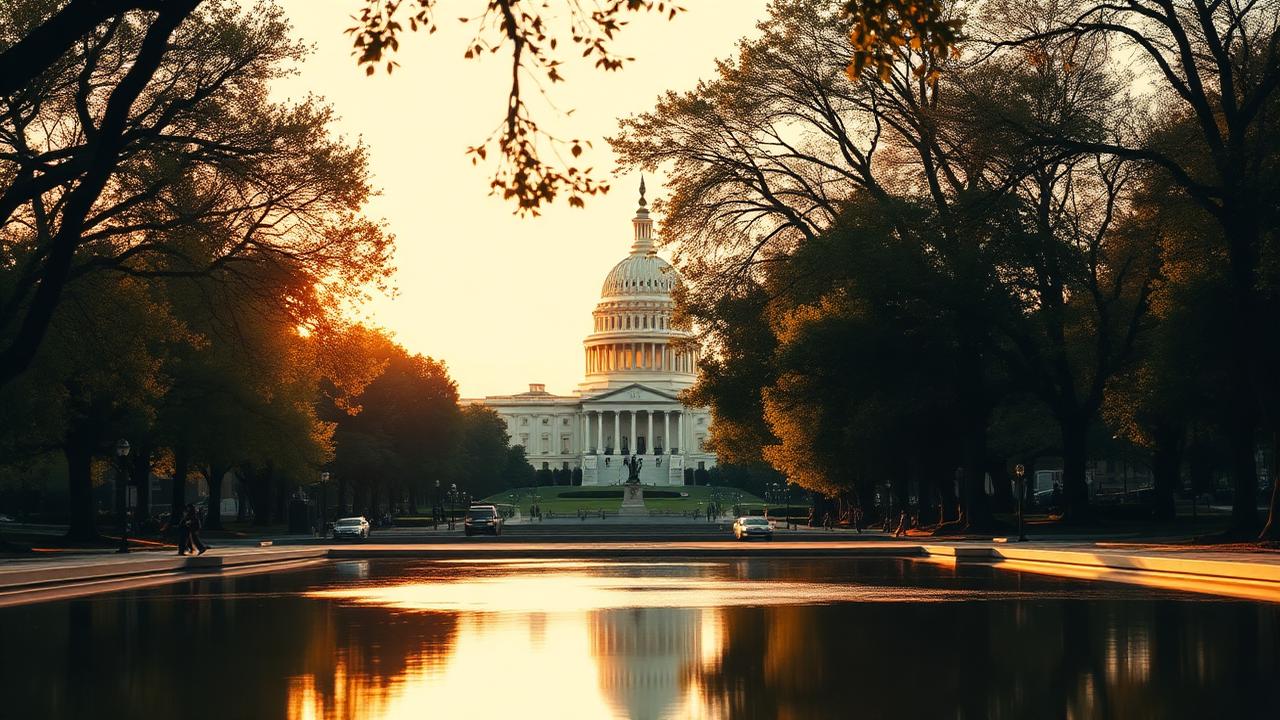
Washington DC inverts the usual travel budget. The Smithsonian museums charge no admission, the memorials on the National Mall are open-air and free, and the single most photographed view in the city costs nothing to stand in. What is scarce here is not money but capacity: a small number of buildings issue timed passes, and those disappear long before your trip.
That makes DC a planning problem rather than a spending problem. Miss two or three reservation windows and you spend the trip looking at exteriors.
This guide separates the sights that need an advance reservation, the ones where a guided tour solves a genuine logistics problem, and the large majority that need nothing but a walk and comfortable shoes.
The quick answer
- Book nothing for the memorials or most Smithsonian museums — they are free, open-air or walk-in.
- Reserve the moment your dates are fixed: US Capitol tour, Washington Monument elevator, NMAAHC timed entry. These are free but capacity-limited.
- Pay for a tour only to solve distance or darkness: the Mall is about two miles end to end, and the memorials are at their best lit at night.
- Three full days is the right length: Mall museums, memorials, then Arlington plus whichever reserved building you secured.
- White House tours need a congressional request months ahead — do not build a trip around one.
| What you want to see | Access | How far ahead | Cost | Is a paid tour useful? |
|---|---|---|---|---|
| Lincoln, Jefferson, MLK, Vietnam, Korean, WWII memorials | Open-air, no ticket, no closing time | None | Free | Only for transport between them, especially after dark |
| Smithsonian museums (most) and the National Gallery of Art | Walk in | None | Free | No — self-paced and free to enter |
| National Museum of African American History and Culture | Free timed-entry pass | Rolling release; the hardest free pass in the city | Free | No — substitute American History or the Portrait Gallery if you miss it |
| Washington Monument observation level | Free timed ticket for the elevator | Weeks ahead; a small batch drops the previous morning | Free | No |
| US Capitol (Rotunda, Statuary Hall, Crypt) | Reserved free tour; House/Senate galleries are a separate congressional pass | Weeks ahead in spring and summer | Free | Yes if you missed the free slot — a guided Capitol and Library of Congress tour holds its own arrangement |
| Monuments at night | Open access, but spread over ~2 miles | A few days ahead | Paid | Yes — this is the one paid experience most first-time visitors rate as clearly worthwhile |
| Arlington National Cemetery | Free entry; 639 acres across the river | A few days ahead for a small-group tour | Free entry, paid tour optional | Yes — pacing the Kennedy graves and the Changing of the Guard without rebuilding the route |
| The White House interior | Request through a member of Congress | Months ahead | Free | No — the Visitor Center needs nothing |
Access rules and pass release schedules come from the official sources listed at the end of this guide and are re-checked on each update. Federal sites can change access at short notice, so confirm the specific building the week you travel.
The short answer
Three days is the right length. Give one to the National Mall museums, one to the memorials and the west end of the Mall, and one to Arlington plus whichever reserved building you secured.
Reserve the moment your dates are fixed: the US Capitol tour, the Washington Monument, and — if either matters to you — the National Museum of African American History and Culture and the Bureau of Engraving and Printing. Everything else can be decided on the day.
- Reserve weeks ahead: US Capitol tour, Washington Monument, NMAAHC timed entry.
- Book a few days ahead: monument night tours, Arlington small-group tours.
- Book nothing: the Lincoln, Jefferson, MLK, Vietnam, Korean and WWII memorials, and most Smithsonian museums.
The free city, which is most of the highlights
Nineteen Smithsonian museums and the National Zoo charge no admission, and the majority admit visitors without any pass at all. The National Air and Space Museum and the National Museum of African American History and Culture are the exceptions that use timed entry, and NMAAHC is the one that reliably runs out.
The memorials are National Park Service sites on open ground and are accessible around the clock, with rangers on duty during the day. There is no ticket and no queue for the Lincoln Memorial, the Jefferson Memorial, the Martin Luther King Jr. Memorial or the war memorials.
The National Gallery of Art is also free and is not a Smithsonian museum — a useful distinction if you are working through official listings.
Practical warning: the Mall is far larger than it photographs. Lincoln Memorial to the Capitol is roughly two miles in a straight line, with the museums strung along the middle.
The four reservations that actually run out
US Capitol tours are free and booked through the Office of Visitor Services or a congressional office. The tour covers the Rotunda, National Statuary Hall and the Crypt; it does not include the House or Senate galleries, which need a separate pass from your representative's office. Non-US visitors can request gallery passes at the appointments desks on site.
The Washington Monument issues free timed tickets for the elevator to the 500-foot observation level, with a small number released the previous morning. The lobby line for same-day tickets exists but is not a plan.
The National Museum of African American History and Culture uses free timed-entry passes released on a rolling schedule. It is the hardest free ticket in the city in spring and summer.
The White House requires a request submitted through a member of Congress, typically months ahead, and is not something to build a trip around. The White House Visitor Center nearby needs nothing.
- Capitol tour: free, reserved, Rotunda and Statuary Hall — galleries are separate.
- Washington Monument: free timed ticket for the elevator.
- NMAAHC: free timed-entry pass, the fastest to disappear.
- White House: congressional request, months ahead.
Where a paid tour earns its money
There are exactly two problems in DC that a guided tour solves better than you can. The first is distance: the memorials are spread across two miles of open ground with almost no shade and limited parking. The second is darkness — the monuments are genuinely at their best lit at night, when the Mall is emptiest and hardest to cover on foot.
That is why the night monument tours dominate DC's review volume. The heavily reviewed options on our shortlist run two to three hours by trolley, open-top bus or electric cart and stop at ten or more landmarks; the small-group versions cost more and spend longer at each stop.
Cart and small-group tours get closer to the memorials and are the better choice if walking distance is your constraint. Open-top buses and trolleys cover more ground and suit travelers who want an overview on a first evening.
Arlington National Cemetery is the other case worth paying for. It is a working cemetery across 639 acres on the Virginia side; the interpretive tours pace the Kennedy graves and the Changing of the Guard at the Tomb of the Unknown Soldier without you rebuilding the route yourself.
Hop-on hop-off trolleys are transport, not interpretation. Judge them on stop list and frequency rather than commentary.
What to skip, and what to substitute
Do not pay for access to anything on the Mall itself. If a listing implies paid entry to a memorial or to a free Smithsonian museum, what you are buying is a guide and transport — legitimate, but read it as such.
Skip a full-day bus tour on your first day. The museums are free and self-paced; spending your freshest hours on a coach means paying to sit still.
If you missed the Capitol reservation, a guided Capitol and Library of Congress small-group tour holds its own arrangement and is the practical substitute. The Library of Congress reading room views are the part most visitors remember anyway.
If you missed NMAAHC, the National Museum of American History and the National Portrait Gallery need no pass and absorb the same half day.
Timing the trip
Late March to early April brings the cherry blossoms and the year's highest crowds; the peak-bloom window is short and forecast only a couple of weeks out. September and October are the better trade: warm, clear and far quieter.
July and August are humid enough to change plans. Do museum interiors in the afternoon heat and save the memorials for early morning or after sunset.
Winter is the easiest time to get every reservation, and the memorials are at their most photogenic with no foliage in the way.
Federal operations can affect access on short notice. Government-run sites publish closures on their own pages, so check the specific building the week you travel rather than relying on a third-party list.
Common questions
- How many days do you need in Washington DC?
- Three full days covers the Mall museums, the memorials and Arlington without rushing. Four lets you add a reserved building such as the Capitol or the Washington Monument comfortably.
- Are the Smithsonian museums really free?
- Yes. All Smithsonian museums and the National Zoo charge no admission. A few, including the National Museum of African American History and Culture, still require a free timed-entry pass.
- Do you need a ticket for the Lincoln Memorial or the National Mall?
- No. The memorials are open-air National Park Service sites with no ticket and no set closing time. Any paid product covering them is selling transport and a guide.
- Is a DC monument night tour worth it?
- It is the one paid experience most first-time visitors find clearly worthwhile, because the memorials look best lit and are too far apart to walk between after dark. Cart and small-group versions get closest; trolleys and open-top buses cover more ground.
- How far in advance should you book a US Capitol tour?
- As early as your dates allow. Tours are free but capacity-limited, and spring and summer slots go weeks ahead. House and Senate gallery passes are requested separately through a congressional office.
- What is the best time of year to visit Washington DC?
- September and October are the most comfortable and least crowded. Late March to early April is cherry-blossom season — spectacular, and the busiest fortnight of the year.
Sources
Hours, fees, reservation rules and schedules change — confirm with the operator or agency before you travel.
Smithsonian — visit and admissionUS Capitol Visitor Center — toursNational Park Service — Washington Monument ticketsNational Park Service — National Mall and Memorial ParksArlington National Cemetery — plan a visit
Top-reviewed monument & memorial tours
Only experiences with 1,000+ traveler reviews.

DC Monuments by Night: 10+ Landmarks | Open-Top Upgrade Available
See a different side of Washington DC after dark on a guided night tour of the city's floodlit monuments. This tour runs on our standard enclosed coach — or you can upgrade at booking to our small-group convertible (open-top in warm months, glass-top in winter) for fresh air and unobstructed views. Choose your vehicle in the booking options below. You’ll begin the tour at the U.S. Navy Memorial,
Indicative from $58 — confirmed on Viator
Check availability on Viator
Arlington Cemetery Small-Group Tour & Changing of the Guards
Witness the solemn Changing of the Guard ceremony from a prime viewing spot on this guided walking tour of Arlington National Cemetery. Learn the full history of the Tomb of the Unknowns and the soldiers that guard it day and night. Explore the cemetery’s history from its beginnings in the Civil War to today and visit key memorials including the JFK Eternal Flame, the USS Maine Memorial, and the g
Indicative from $69 — confirmed on Viator
Check availability on Viator
DC Monuments & Capitol Hill Highlights Tour by Electric Cart
Experience a whole different side of Washington, DC during our Monuments by day tour! Climb into our all-electric Red Roadsters and tour the National Mall in style while enjoying the moonlit magic of the monuments, White House, and Capitol Hill!
Indicative from $54 — confirmed on Viator
Check availability on ViatorRelated guides
Washington, DC Itinerary: 2, 3 and 4 Days on and off the Mall
The National Mall looks compact on a map and is not. This DC itinerary groups sights by how far you will actually walk, and leaves room for the city beyond the monuments.
Best Monument Tours in Washington, DC: Night, Cart or Trolley
The memorials are free and open 24 hours. What you are paying a tour for is the three miles between them — and the difference between formats is mostly how far you walk.
Best Things to Do in New York City: What Is Actually Worth Booking
Almost everything in New York is available to book. Very little of it needs to be. This is the short list, in the order most first-time visitors should use it.