Swim with Dolphins in Orlando: Options, Ages and Ethics
By America Experiences Editors · Published August 16, 2026 · 9 min read
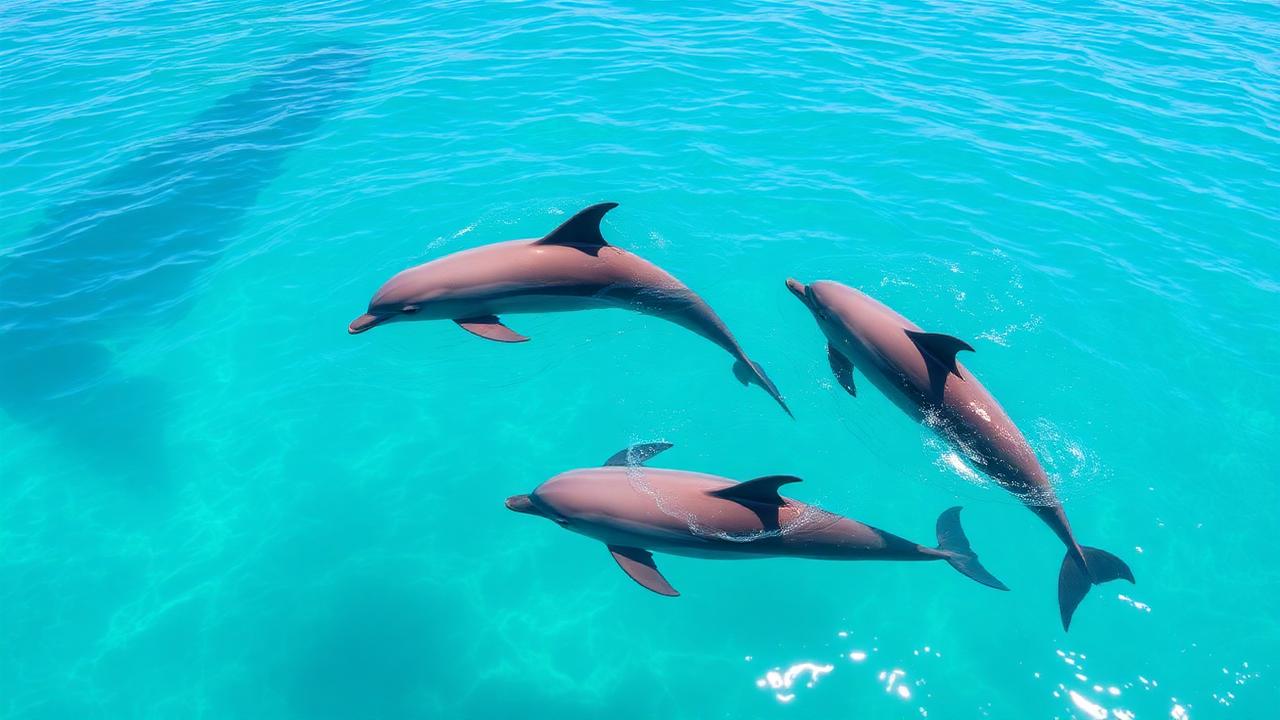
Orlando sits roughly an hour from either Florida coast, which means there is no wild dolphin swimming in the city itself. Every option is one of two things: an in-water encounter at a managed marine facility in or near Orlando, or a coastal boat trip where dolphins are seen in the wild.
Those are very different products with different rules, different suitability for children and different ethical considerations. Confusing them is the most common planning mistake here.
This guide explains what each involves, the age and swimming requirements that catch families out, how US law treats wild dolphins, and which alternatives deliver the most for children who simply want to see animals.
The two kinds of dolphin experience
Managed in-water encounters take place at marine parks and aquarium facilities, where you enter a controlled lagoon or pool with trainers present. These are the only genuine "swim with dolphins" options within easy reach of Orlando, and they are bookable in advance with defined participation rules.
Wild dolphin trips happen on the coast — the Space Coast, Tampa Bay, Clearwater and the Indian River Lagoon all have resident bottlenose dolphin populations. On these trips you watch from a boat or, on some kayak and eco-tours, from the water nearby, but you do not interact.
Under the US Marine Mammal Protection Act, feeding, touching or attempting to swim with wild dolphins is prohibited. Any operator promising in-water interaction with wild dolphins is either misdescribing the trip or breaking federal rules.
So the honest framing is: choose a facility encounter if physical interaction matters, or a coastal wildlife trip if seeing dolphins behaving naturally matters. There is no option that offers both.
- Facility encounter: in-water interaction, structured, bookable.
- Coastal wild trip: natural behavior, no contact, weather-dependent.
- Touching or feeding wild dolphins is illegal in US waters.
Ages, swimming ability and other requirements
Facility dolphin encounters almost always carry a minimum age, and it differs by program: shallow-water meet-and-greet programs typically admit younger children than deep-water swim programs.
Many deep-water programs require participants to be confident swimmers, and some require an accompanying paying adult in the water for children under a set age.
Health restrictions are common — pregnancy, recent surgery and certain conditions are frequently excluded — and facilities require sunscreen to be rinsed off or a specified reef-safe product to be used before entering the water.
Group sizes, session lengths and how much of the session is actually in the water vary substantially between programs. The advertised duration usually includes briefing and changing time.
Because these rules change and differ by operator, verify current minimum ages, swimmer requirements and health restrictions directly with the facility before booking anything for a family.
The ethical question, stated plainly
Interactive programs with dolphins in human care are genuinely contested. Critics point to the animals' intelligence, social complexity and space requirements; facilities point to accredited animal care standards, veterinary oversight, rescue work and public education.
The relevant distinction for a visitor is accreditation and provenance: whether the facility is accredited by a recognized body, whether animals were born in human care rather than recently taken from the wild, and whether the program allows animals to opt out of interactions.
US facilities holding marine mammals are licensed and inspected under the Animal Welfare Act, and inspection records are public. Accreditation by bodies such as the Association of Zoos and Aquariums is an additional, voluntary standard.
If any of this gives you pause, the coastal wild-dolphin trip is the straightforward alternative, and manatee viewing in winter is arguably the better Florida wildlife experience regardless.
We are not going to tell you this decision is simple. It is a values judgment, and the useful thing we can do is name the criteria rather than sell past them.
Timing and planning your day
Facility encounters run to fixed session times and sell out in school holidays and summer. Book the session, then build the rest of the day around it.
Allow a full half day including travel, briefing, the encounter and photographs. Sessions are shorter than families expect and the surrounding logistics longer.
Coastal trips are best in the morning, when water is calmest and dolphin activity is often highest. Afternoon thunderstorms from June through September regularly cancel later departures.
Winter, roughly November to March, is manatee season in Florida's springs and rivers and the most comfortable time of year for outdoor wildlife trips. Our best time to visit Orlando guide covers the seasonal picture.
Bring a towel, a change of clothes and a waterproof bag for either option; facility programs generally prohibit personal cameras in the water and sell photographs instead.
Common mistakes
Booking a deep-water swim for a child below the minimum age or unable to swim confidently, then discovering it at check-in.
Expecting to swim with wild dolphins on a coastal boat trip — it is not permitted.
Assuming the advertised session length is time in the water.
Scheduling a coastal trip for a summer afternoon and losing it to a thunderstorm.
Booking on the same day as a full theme park day. Both are long and hot, and one will suffer.
Alternatives worth considering
Manatee viewing in Crystal River and the Homosassa and Silver Springs areas is Florida's standout wildlife experience in winter, with strict federal rules that protect the animals and, for many visitors, a more moving encounter than a dolphin program.
Airboat and wildlife tours near Orlando deliver alligators, wading birds and wetland habitat within a short drive, and work well for children who mainly want to see animals. Our Orlando airboat and wildlife collection compares options that clear our 1,000-plus traveler review threshold.
Space Coast and Indian River Lagoon boat trips combine wild dolphin sightings with a Kennedy Space Center day out east — see our Kennedy Space Center guide for how to structure that day.
Aquarium and marine rescue facilities offer behind-the-scenes and educational programs without in-water interaction, which suits younger children well.
Free options: Florida's springs and state parks have some of the best wildlife viewing in the country, and our free things to do in Orlando guide covers the ones close to the parks.
Common questions
- Can you swim with wild dolphins in Orlando?
- No. Orlando is inland, and US federal law prohibits swimming with, touching or feeding wild dolphins anywhere in American waters. In-water programs take place at managed marine facilities.
- What is the minimum age for a dolphin swim?
- It varies by program and facility, with shallow-water encounters generally admitting younger children than deep-water swims. Confirm the current minimum age and swimming requirements with the facility before booking.
- How long does a dolphin encounter last?
- Most programs run under an hour in total, including briefing and changing, with a shorter period actually in the water. Plan a half day with travel.
- Are dolphin swim programs ethical?
- It is a genuine debate. If you go ahead, look for accredited facilities, animals born in human care, and programs where animals can opt out. If it troubles you, choose a wild-dolphin boat trip or winter manatee viewing instead.
- What is the best alternative near Orlando?
- A Space Coast or Indian River Lagoon wildlife cruise for wild dolphins, an airboat tour for wetland wildlife, or manatee viewing on the Gulf side between November and March.
Sources
Hours, fees, reservation rules and schedules change — confirm with the operator or agency before you travel.
NOAA Fisheries — Marine Mammal Protection Act and viewing guidelinesNOAA Fisheries — Don't feed or swim with wild dolphinsUSDA APHIS — Animal Welfare Act licensing and inspectionsUS Fish and Wildlife Service — Crystal River National Wildlife Refuge manatee viewingVisit Orlando — official visitor information
Top-reviewed theme park experiences
Only experiences with 1,000+ traveler reviews.

Drawn to Life presented by Cirque du Soleil and Disney
Get ready for an enlivening collaboration between iconic memory-makers Cirque du Soleil, Walt Disney Animation Studios and Walt Disney Imagineering. Drawn to Life draws you into an inspiring world where Disney animation can be experienced like never before. This family-friendly show takes you on a journey of live acrobatics where the stage becomes a giant animation table.
Indicative from $107 — confirmed on Viator
Check availability on Viator
LEGOLAND Florida Theme Park Admission Tickets
LEGOLAND® Florida Resort is a top family-friendly destination, featuring a 150-acre theme park with more than 50 rides, shows, and LEGO®-themed attractions. Explore SEA LIFE Florida Aquarium with 25 interactive exhibits and incredible marine life experiences. Located 45 minutes from Orlando and Tampa. Upgrade your ticket to include LEGOLAND Water Park with exciting slides and splash zones, or Pep
Indicative from $74 — confirmed on Viator
Check availability on ViatorRelated guides
Best Time to Visit Orlando: Crowds, Heat and the Weeks Locals Avoid
In Orlando the weather calendar and the crowd calendar disagree. Picking your week is really choosing which one you would rather fight.
Free Things to Do in Orlando Beyond the Theme Parks
Orlando without a park ticket is a different city — lakes, gardens, springs and small museums. Here is what costs nothing, and where the catch is parking.
Kennedy Space Center Tickets: What to Know Before You Book
Admission covers more than most visitors expect, and the add-ons are where the real decisions are. Here is how to plan a Kennedy Space Center day properly.