The Best Time to Visit New Orleans: Weather, Festivals and Crowds
By America Experiences Editors · Published August 16, 2026 · 8 min read
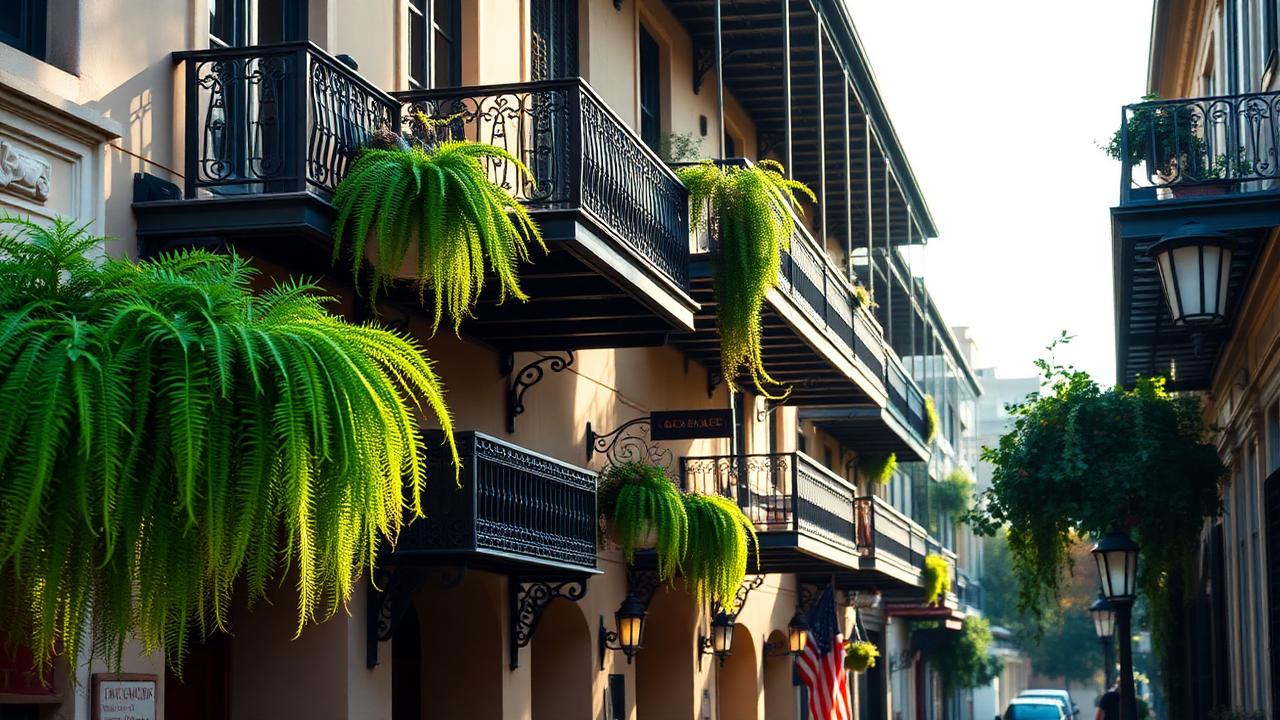
The straightforward answer: late February through May, and October through early December, are when New Orleans is at its best — warm rather than oppressive, with the city's festival calendar in full swing.
The complicated answer depends on your tolerance for two things: summer humidity, which is genuinely intense from June to September, and crowds, which peak hard around Mardi Gras and the big spring festivals. This guide breaks the year down so you can pick deliberately rather than by accident.
The four New Orleans seasons that matter
Spring (roughly late February to May) is the classic window: mild temperatures, long evenings and the densest concentration of festivals in the city's year. It is also the most expensive and most booked.
Summer (June to September) is hot and very humid, with frequent afternoon thunderstorms. It is the cheapest season for hotels, and locals live around it by moving outdoor plans to mornings and evenings. The Atlantic hurricane season officially runs June 1 through November 30, with peak activity generally in late summer.
Autumn (October to early December) is arguably the most underrated stretch: humidity drops, the festival calendar continues, and the city feels less pressured than in spring.
Winter (January to February) is cool, occasionally genuinely cold by Gulf standards, and dominated by Carnival season, which builds toward Mardi Gras.
Mardi Gras and Carnival: plan for it or around it
Mardi Gras is not a fixed date — it falls the day before Ash Wednesday, so it moves between early February and early March depending on the year. Carnival season begins on January 6 and the busiest parade days come in the final stretch before Mardi Gras itself.
If Carnival is your reason for coming, book accommodation far in advance and accept that parade routes close streets and reshape how you move around the city. Check the official parade schedule close to your travel dates, as routes and times are confirmed year by year.
If it is not your reason for coming, the weeks immediately after Mardi Gras are noticeably calmer while the weather stays pleasant — one of the better-value windows in the New Orleans year.
The festival calendar in brief
New Orleans runs on festivals, and they are the main reason hotel prices swing so sharply. Spring carries the largest music and food events; autumn adds a second cluster, including literary, film and neighborhood festivals.
Because dates shift annually and line-ups are announced late, treat any specific festival as something to confirm on its official site rather than assume. What is reliable is the pattern: spring and autumn weekends are busy, and midweek is always easier.
- Spring: the densest festival period; highest demand and prices.
- Autumn: strong programming, milder weather, slightly easier booking.
- Summer: fewest crowds, hottest conditions, best hotel rates.
Heat, humidity and hurricane season
Summer in New Orleans is a humidity story more than a temperature story. Walking tours, cemetery visits and swamp trips are all better in the first half of the morning; afternoons are for interiors, and for the short heavy storms that pass through most days.
Hurricane risk is real but manageable with planning: watch official forecasts, buy flexible or insured bookings if you travel between August and October, and understand that most trips in that window are unaffected.
Swamp and bayou trips are the most weather-sensitive experiences in the area, both for storms and for wildlife activity — alligators are far more visible in warm months than in cool ones.
Choosing your month by priority
For comfortable walking weather and food: March, April, October and November.
For the lowest prices: July and August, if you can plan around the heat.
For Carnival atmosphere: January and February, peaking at Mardi Gras.
For the quietest version of the city: the weeks after Mardi Gras, and early December before the holidays.
Whatever month you choose, the food and music side of New Orleans is season-proof — and the guided food, music and cemetery experiences we shortlist all carry 1,000+ traveler reviews, which is the most reliable filter in a city with a very large tour market.
Common questions
- What month is best for good weather in New Orleans?
- March through May and October through November generally offer the most comfortable combination of temperature and humidity.
- When is Mardi Gras?
- Mardi Gras falls the day before Ash Wednesday, so the date moves each year between early February and early March. Carnival season starts January 6.
- Should I avoid hurricane season?
- Not necessarily. The season runs June 1 to November 30 with a late-summer peak; most trips are unaffected, but flexible bookings and attention to official forecasts are sensible.
- Is summer too hot for walking tours?
- Midday is uncomfortable. Early-morning and evening tours remain popular through summer, and indoor food and music experiences are unaffected.
Sources
Hours, fees, reservation rules and schedules change — confirm with the operator or agency before you travel.
National Weather Service — New Orleans/Baton RougeNational Hurricane CenterCity of New Orleans — parade information
Top-reviewed food, jazz & steamboat
Only experiences with 1,000+ traveler reviews.
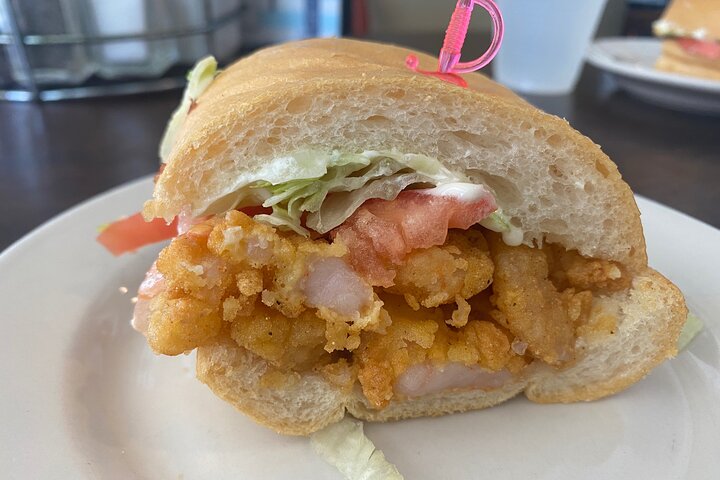
New Orleans Food Walking Tour of the French Quarter with Small-Group Option
Fall head over heels for the French Quarter, one delicious bite at a time! What pops your cork more than gumbo, oysters, and 300 years of history? This half day food tour -where flavor meets legacy and how we roll in New Orleans! Your passionate, knowledgeable guide leads you into the heart of the Quarter for tastings that read like a love letter to Creole and Cajun cooking. Including: -Rich tradi
Indicative from $82 — confirmed on Viator
Check availability on Viator
New Orleans Demonstration Cooking Class with Meal
Take an entertaining and informative cooking class at the New Orleans School of Cooking! Located in a renovated molasses warehouse built in the early 1800s, this cooking class brings you to the heart of New Orleans’ French Quarter. Learn the basics of Louisiana cooking from professional chefs and learn how to make classic New Orleans specialties such as gumbo, jambalaya and pralines. Enjoy the fin
Indicative from $45 — confirmed on Viator
Check availability on Viator
New Orleans Food and History Walking Tour
This New Orleans food tour has every culinary taste covered. With a history-savvy guide leading the way, you’ll walk from classic Creole restaurants and neighborhood sandwich shops to hot sauce bars and artisanal candy stores. Visit up to five locations to sample diverse foods representing the breadth of Louisiana’s culinary heritage, including dishes like seafood gumbo, po-boys, muffulettas and p
Indicative from $85 — confirmed on Viator
Check availability on ViatorRelated guides
French Quarter Walking Tours: Which Type to Take, and When to Walk It Yourself
The French Quarter is thirteen blocks by six. What changes between tours is not the route but the lens: architecture, food, music, law, or the supernatural.
New Orleans Cemetery Tour: Which Cemetery, and Why a Guide
New Orleans' most famous cemetery cannot be entered without an authorized guide. Here is which cemetery suits you and what a good tour actually explains.
Best Things to Do in New Orleans: A Decision Guide
New Orleans is a city where a guide genuinely changes what you see — and also a city with more low-quality tours than almost anywhere in the US. Here is the difference.