New Orleans Cemetery Tour: Which Cemetery, and Why a Guide
By America Experiences Editors · Published August 16, 2026 · 9 min read
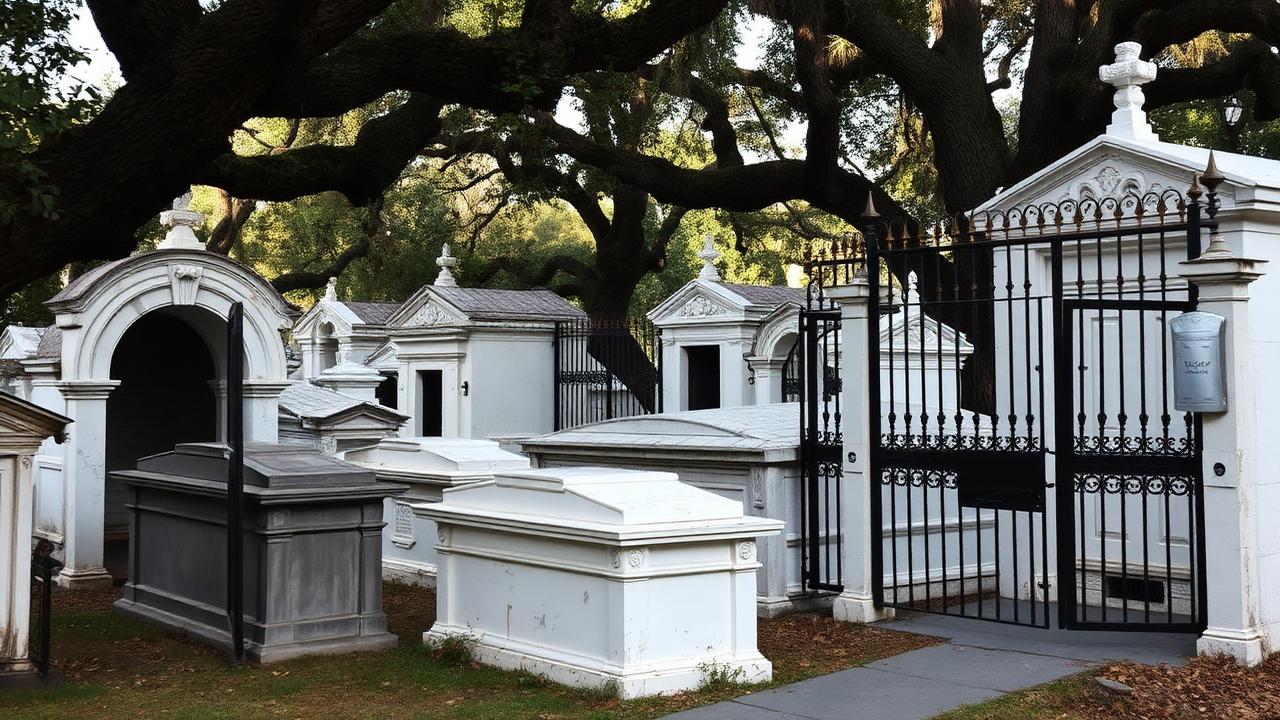
New Orleans buries its dead above ground, in tombs that function as family architecture, and the result is a set of cemeteries that read more like small cities than graveyards. Understanding why they look that way is the difference between a photo stop and one of the best hours of a trip.
There is also a practical reason most visitors book a tour: St Louis Cemetery No. 1, the oldest and most visited, restricts entry to relatives and authorized tour groups. You cannot simply walk in.
This guide compares the main cemeteries, explains what access rules apply where, what a licensed guide adds beyond legend, and how to visit respectfully in a place that is still an active burial ground.
Why the tombs are above ground
The common explanation — a high water table pushing coffins out of the earth — is only part of the story. Above-ground burial also reflects French and Spanish colonial custom, and it solved a real space problem in a city hemmed in by water.
The tombs themselves are engineered for reuse. A family vault holds remains across generations: after a period of time, earlier remains are moved to a lower chamber or caveau, freeing the shelf for the next burial.
That is why a single tomb can list dozens of names across two centuries, and why these are functioning family properties rather than historical monuments. Maintenance is a family obligation, and the visible decay in some sections reflects families that left the city generations ago.
A good guide spends time on this. It is the thing that makes the rest of the visit legible.
Which cemetery to visit
St Louis Cemetery No. 1, on the edge of the French Quarter, is the oldest surviving cemetery in the city and the one most associated with Marie Laveau. Access is restricted to family members and authorized tour groups, so a tour is the normal way in. It is compact, dense and the strongest for history.
Lafayette Cemetery No. 1, in the Garden District, is the classic pairing with a Garden District architecture walk. Its access has been affected by restoration work at various times, so confirm current status before planning around it.
Metairie Cemetery is the grandest, with monumental tombs and wide avenues, and it is the most impressive purely visually. It is a drive from the Quarter and the least walkable from a tourist base.
St Louis Cemetery No. 3, on Esplanade Avenue near City Park, is quieter, generally accessible and an excellent choice if you want space and calm rather than a guided narrative.
For a first visit with limited time, St Louis No. 1 with a guide is the most rewarding hour. Our New Orleans ghost and cemetery tours collection compares formats that clear our 1,000-plus traveler review threshold, with details confirmed on Viator.
- Most history, guide required: St Louis No. 1.
- Best with a Garden District walk: Lafayette No. 1.
- Most monumental: Metairie.
- Quietest: St Louis No. 3.
What a guide adds — and what to avoid
The best cemetery tours are social history: who could afford a tomb and who could not, how benevolent societies gave immigrants and free people of color collective burial, how yellow fever epidemics shaped whole sections, and how Catholic, Creole and African traditions combined in the city's funeral culture.
Marie Laveau's tomb is the single most requested stop, and a good guide will separate documented biography from accumulated legend rather than choosing the more marketable version.
Ghost-focused tours are a different product. They are entertainment, they often visit cemeteries only from outside, and they are enjoyable on those terms — just do not expect the historical content above.
Vandalism, including the practice of marking tombs with X's, is a genuine problem that led to access restrictions. Reputable guides discuss it, discourage it and keep groups off the tombs.
Look for guides licensed by the city and, for St Louis No. 1, operators authorized by the Archdiocese of New Orleans, which manages the Catholic cemeteries.
Timing and planning
Go in the morning. The cemeteries close in the early to mid afternoon, there is almost no shade among the tombs, and New Orleans heat is unforgiving from May through September.
Allow an hour to ninety minutes for a guided visit, plus travel. St Louis No. 1 is walkable from most of the French Quarter; Metairie needs a car or rideshare.
Sundays and holidays have reduced or closed access at several cemeteries, and All Saints' Day on November 1 is a significant local observance when families visit and clean tombs — a remarkable day to witness, and one to approach with particular respect.
Rain is common and turns the unpaved lanes muddy; the surfaces are uneven throughout, so wear stable shoes.
Confirm opening hours for your specific cemetery before you go, as they vary by site and change seasonally.
Etiquette in an active burial ground
These are working cemeteries where funerals still take place. If you encounter a service, give it distance and stop photographing.
Do not touch, climb on or lean against tombs. Many are structurally fragile and repairs fall on families.
Do not leave offerings, coins or marks on tombs, including Marie Laveau's. It is the specific behavior that closed access at St Louis No. 1 to unaccompanied visitors.
Photograph respectfully and avoid framing families visiting graves.
Bring water and sun protection, and keep your group together — the lanes are narrow and it is easy to block them.
Common mistakes
Turning up at St Louis No. 1 without a tour and being refused entry.
Booking an afternoon visit in summer, when the tombs radiate heat and there is no shade.
Choosing a ghost tour when you wanted history, or vice versa.
Assuming Lafayette No. 1 is open — restoration and access have varied; check first.
Treating the visit purely as a photo opportunity. The tombs are private property belonging to families who still use them.
What to pair it with
St Louis No. 1 pairs naturally with a French Quarter walk — our French Quarter walking tour guide covers what to see on foot and where the Quarter's history actually is.
Lafayette No. 1 belongs with a Garden District architecture walk and a streetcar ride up St Charles Avenue.
Metairie Cemetery fits with City Park and the New Orleans Museum of Art on a car-based half day.
A cemetery morning and a food or music tour in the evening is the most common shape of a good New Orleans day, and our New Orleans best time to visit guide covers which months make that comfortable.
Avoid stacking two cemeteries in one day. They are more similar to each other than to anything else you will do here.
Common questions
- Can you visit New Orleans cemeteries without a tour?
- Some, yes — St Louis No. 3 and Metairie are generally open to visitors. St Louis Cemetery No. 1 restricts entry to family members and authorized tour groups, so a tour is the usual way in.
- Which New Orleans cemetery is the best to visit?
- St Louis No. 1 for history with a guide, Lafayette No. 1 alongside the Garden District, Metairie for the most monumental tombs, and St Louis No. 3 for a quiet self-guided visit.
- Why are New Orleans graves above ground?
- A combination of a high water table and French and Spanish colonial burial custom. The tombs are designed for reuse across generations by the same family.
- How long does a cemetery tour take?
- Typically an hour to ninety minutes on site, plus travel time from your accommodation.
- Is a cemetery tour appropriate for children?
- History-focused daytime tours generally are, given the heat and the walking. Ghost tours are pitched at adults and vary widely in tone.
Sources
Hours, fees, reservation rules and schedules change — confirm with the operator or agency before you travel.
New Orleans Catholic Cemeteries — Archdiocese of New OrleansNew Orleans & Company — official visitor informationNational Park Service — New Orleans Jazz National Historical Park and city historySave Our Cemeteries — preservation nonprofit
Top-reviewed ghost & cemetery tours
Only experiences with 1,000+ traveler reviews.

St. Louis Cemetery No. 1 Official Walking Tour
The Official Tour of St. Louis Cemetery No. 1 takes you through the gates to walk the paths between the tombs where the most famous of New Orleans' historical figures have been laid to rest. Visit the tombs of Voodoo Queen Marie Laveau, Homer Plessy, and more.
Indicative from $25 — confirmed on Viator
Check availability on Viator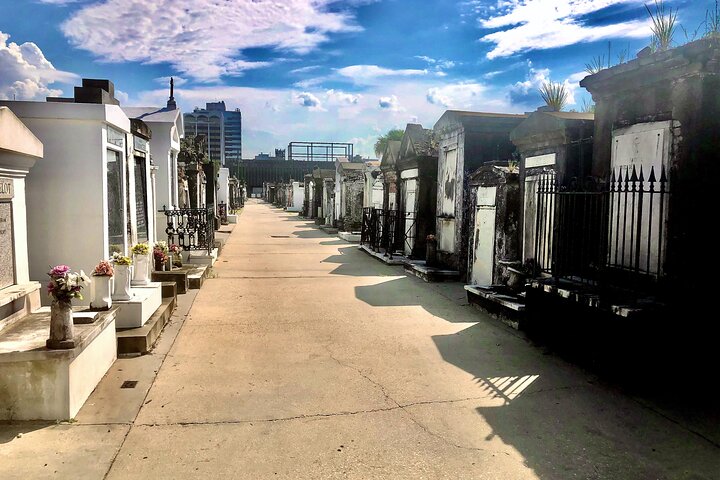
New Orleans Cemetery Walking Tour
Explore the fascinating and historic Cities of the Dead with this 2-hour tour of several New Orleans' cemeteries. This tour cover tomb architecture, history, and our unique burial customs and practices. Enjoy a cafe au lait and some begnets before or after your tour at the iconic Morning Call Coffee Stand.
Indicative from $30 — confirmed on Viator
Check availability on Viator
New Orleans City and Cemetery 2-Hour Bus Tour
For 2 hours and 15 minutes, we’ll take you on an air conditioned ride throughout some of the most famous neighborhoods in New Orleans. We’ll show you the landmarks you don’t want to miss, and our licensed driver guides share the stories you’ll love to hear. We’re a small company run by New Orleans locals, so our heritage runs deep. We’ll take you from the Treme to the Garden District, the 9th War
Indicative from $55 — confirmed on Viator
Check availability on ViatorRelated guides
French Quarter Walking Tours: Which Type to Take, and When to Walk It Yourself
The French Quarter is thirteen blocks by six. What changes between tours is not the route but the lens: architecture, food, music, law, or the supernatural.
Things to Do in Washington DC: What Needs Booking and What Is Free
Washington is the rare US city where the headline sights cost nothing. The skill is knowing the handful of places that need a reservation weeks ahead — and where a guided tour genuinely saves the day.
Best Things to Do in New York City: What Is Actually Worth Booking
Almost everything in New York is available to book. Very little of it needs to be. This is the short list, in the order most first-time visitors should use it.