Best Time to Visit the Grand Canyon: Month by Month, Rim by Rim
By America Experiences Editors · Published August 16, 2026 · 9 min read
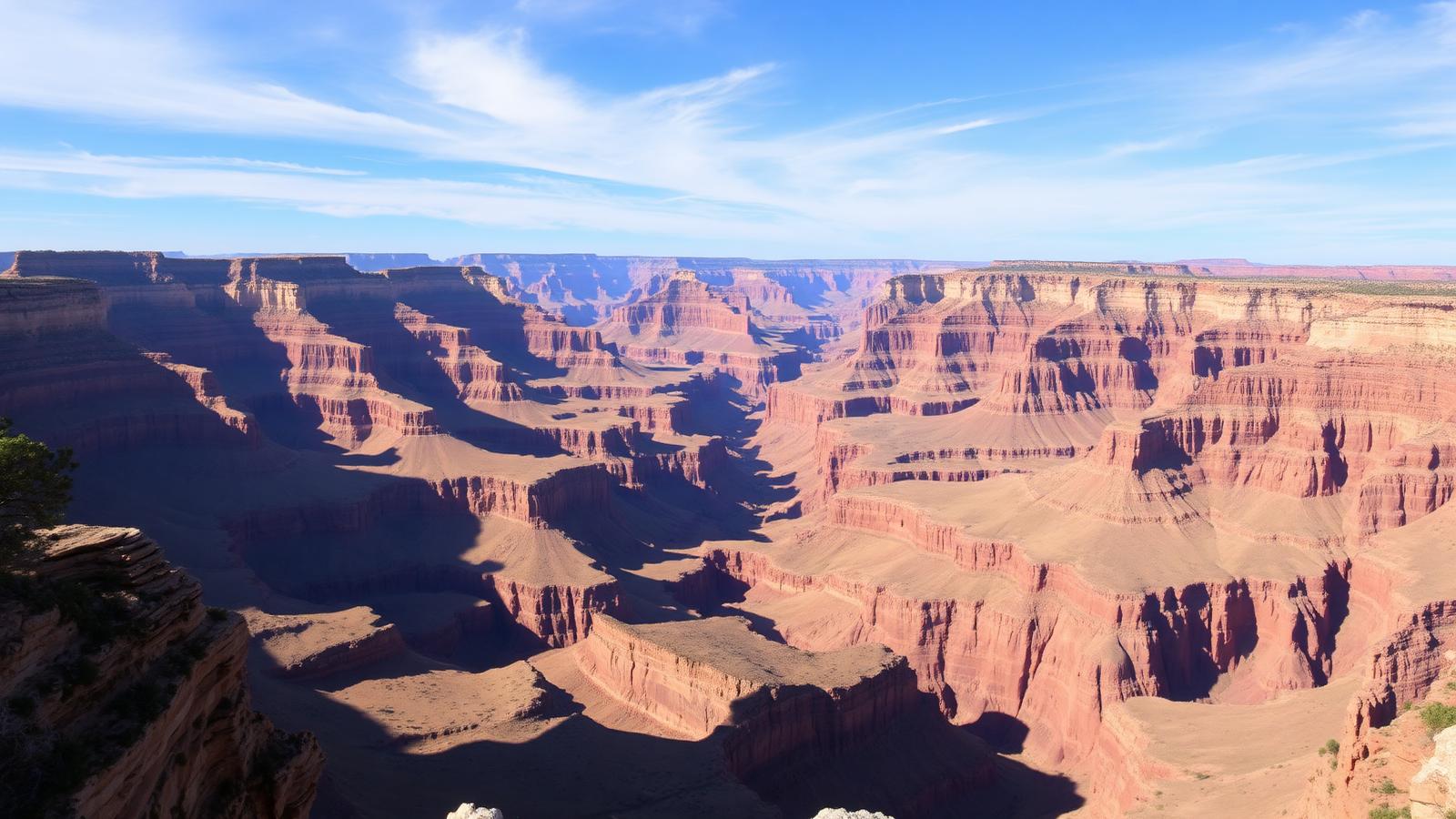
There is no single best month at the Grand Canyon, because there is no single Grand Canyon. The South Rim sits above 6,800 feet and is open all year. The North Rim is more than a thousand feet higher and closes for winter. The inner canyon, at the river, behaves like a desert and can be brutally hot while the rim is pleasant.
That vertical spread is the whole story. A day that is ideal for standing on the rim can be dangerous below it, and a month that is perfect for rafting is the worst month for a long hike.
Below is what each season actually delivers, which rim to choose in each one, and how the timing changes if you are arriving as a day trip rather than staying in the park.
The short answer
For most visitors, late spring and early autumn are the best windows: mild rim temperatures, long daylight, everything open, and crowds below their summer peak.
If your priority is the North Rim, your window is narrower — it operates seasonally and is not open in winter.
If your priority is a river trip or a long hike below the rim, avoid midsummer entirely; inner-canyon heat is the single biggest risk factor in the park.
If your priority is solitude and photography, winter at the South Rim is underrated: snow on red rock, thin crowds, and the shortest queues of the year.
- Best all-round: April–May and September–October.
- Best for the North Rim: its seasonal operating window, roughly late spring to autumn.
- Best for quiet: December–February at the South Rim.
- Worst for hiking below the rim: June–August.
Spring (March–May): the best balance
Spring is when the rim becomes comfortable while the inner canyon is still manageable. Daytime rim temperatures move from cool to mild across the season, and the low sun angle earlier in spring gives better depth in the canyon walls than high summer light does.
It is also volatile. March can deliver snow at the rim, and wind is a consistent feature. Pack layers rather than a single warm jacket, and expect to use all of them in one day.
Crowds build steadily through spring and spike around spring break weeks. Early May is often the sweet spot: shuttle services running, most facilities open, and the summer wave still ahead.
Summer (June–August): busiest, hottest, most dramatic
Summer is peak season, and it is the least comfortable time to do anything strenuous. Rim temperatures are warm but tolerable; the problem is below. Inner-canyon temperatures run far higher than at the rim, and heat illness on the Bright Angel and South Kaibab trails is a recurring emergency for park rangers.
July and August also bring the North American monsoon: afternoon thunderstorms that build fast, produce lightning on exposed rims and cause flash flooding in side canyons. The storms are spectacular from a viewpoint and genuinely dangerous on a trail or in a slot canyon.
The practical response is to shift your day earlier. Sunrise viewpoints, a short rim walk and any hiking done before mid-morning; afternoons for the visitor center, driving the rim, or an indoor break.
Summer is when tours earn their keep, because parking at the South Rim is at its worst. Air tours also compress the heat problem: our Grand Canyon helicopter and air tours collection covers the flight options, all with 1,000+ traveler reviews.
Autumn (September–November): the quiet favorite
September and October are, for many visitors, the best weeks of the year. The monsoon pattern fades, air clarity improves, rim temperatures are mild, and the crowds thin noticeably after Labor Day.
By November the rim is cold at both ends of the day and the North Rim has closed for the season. Daylight is also shortening quickly, which matters if you are driving in from Las Vegas or Sedona.
Autumn is the strongest window for a South Rim day trip: you get a full day of usable light without the summer traffic. Our South Rim tours collection compares the day-trip formats side by side.
Winter (December–February): snow, silence and closures
Winter at the South Rim is open, cold and beautiful. Snow on the rim against red rock is the canyon's most photogenic condition, and viewpoints that are shoulder-to-shoulder in July can be nearly empty.
The trade-offs are real: icy trails, some road and viewpoint closures, shorter days, and a chance of snow closing the access highways temporarily. Traction devices for footwear are close to essential if you plan to walk any part of the rim trail in ice.
The North Rim is closed to vehicles in winter. If you see a winter itinerary promising the North Rim, that is a red flag.
Always check current road, trail and shuttle status with the National Park Service before a winter visit; conditions change day to day.
Choosing the rim for your season
South Rim: open year-round, the most infrastructure, the classic views, and the practical choice for any month. It is also the rim served by most organized day trips.
North Rim: higher, greener, quieter and seasonal. Worth building a trip around if your dates fall inside its operating window and you want the canyon without the crowds.
West Rim (Grand Canyon West, on Hualapai tribal land, outside the national park): closest to Las Vegas, lower elevation, and the home of the Skywalk. Its lower elevation means it is hotter in summer and less affected by winter snow.
Inner canyon and river: rafting seasons are set by the operators and the park, and permits are limited. Summer is hot on the water but that is also the core season for commercial trips — see our rafting tours collection for the formats that exist.
If you are basing yourself in Nevada rather than Arizona, our day trips from Las Vegas guide compares the rims by how much of your day each one costs.
Common questions
- What is the best month to visit the Grand Canyon?
- May and September are the strongest all-round months: mild rim weather, long days, everything open and crowds below the midsummer peak.
- Is the North Rim open in winter?
- No. The North Rim operates seasonally and closes to vehicle access for winter. Only the South Rim is open year-round inside the national park.
- How hot does the Grand Canyon get?
- The rim stays far cooler than the inner canyon because of its elevation. Temperatures rise sharply as you descend, which is why summer hiking below the rim carries a real heat-illness risk. Check current forecasts for both the rim and the inner canyon.
- When is the monsoon season at the Grand Canyon?
- Roughly July through September, bringing fast-building afternoon thunderstorms, lightning and flash-flood risk in side canyons. Plan strenuous activity for the morning.
- Is one day enough at the Grand Canyon?
- One day is enough for the South Rim's main viewpoints and a short rim walk. It is not enough for a below-rim hike, and it is tight if you are driving in from Las Vegas the same day.
Sources
Hours, fees, reservation rules and schedules change — confirm with the operator or agency before you travel.
Grand Canyon National Park — weather and seasons (NPS)Grand Canyon National Park — current conditions and closuresGrand Canyon North Rim — seasonal operating informationNOAA National Weather Service — Flagstaff forecast office
Top-reviewed south rim tours
Only experiences with 1,000+ traveler reviews.

45-minute Helicopter Flight Over the Grand Canyon from Tusayan, Arizona
Your tour beings at the Grand Canyon airport in Tusayan, Arizona. Fly over the ponderosa pines of Kaibab National Forest on a 45-minute helicopter excursion from the Grand Canyon South Rim. Upstream on the Colorado River are views of the Painted Desert and Desert View Watchtower. View Marble Canyon and Point Imperial as you fly through the Canyon and climb above the North Rim to head south through
Indicative from $398 — confirmed on Viator
Check availability on ViatorRelated guides
Grand Canyon West Rim vs South Rim: Which One Should You Actually Visit?
The West Rim is closer to Las Vegas. The South Rim is the Grand Canyon most people picture. Almost every disappointed visitor confused the two before booking.
Grand Canyon Helicopter Tour: How to Choose the Right Flight
Not all Grand Canyon flights see the same canyon. Departure point, rim and whether you land are the three choices that decide what you actually get.
Grand Canyon Skywalk Tickets: Is the Glass Bridge Worth It?
The Skywalk is on tribal land at the West Rim, not in Grand Canyon National Park — and that distinction explains almost every surprise visitors report.